Rootegra Academy is how a working stylist runs an apprenticeship: assign the lessons, track the hours, and know the moment it's time for hands-on practice, while your apprentice studies a 23-module curriculum that protects their health, their income, and their mental workload.
The apprentice sees today's lesson. You see the whole map, on iPhone, iPad, and the web.
ROOTegraMentor
Anna · First-year apprentice
Modules complete14 / 23
Hours logged1,212 / 2,500
Practical due: Sectioning with purpose
Progress report due Aug 15
Hair & Scalp Science · Lesson 7 ✓
Chemistry · Lesson 2 ✓
Color Theory · Lesson 1 assigned
ROOTegraApprentice
Module 07 · Color Theory
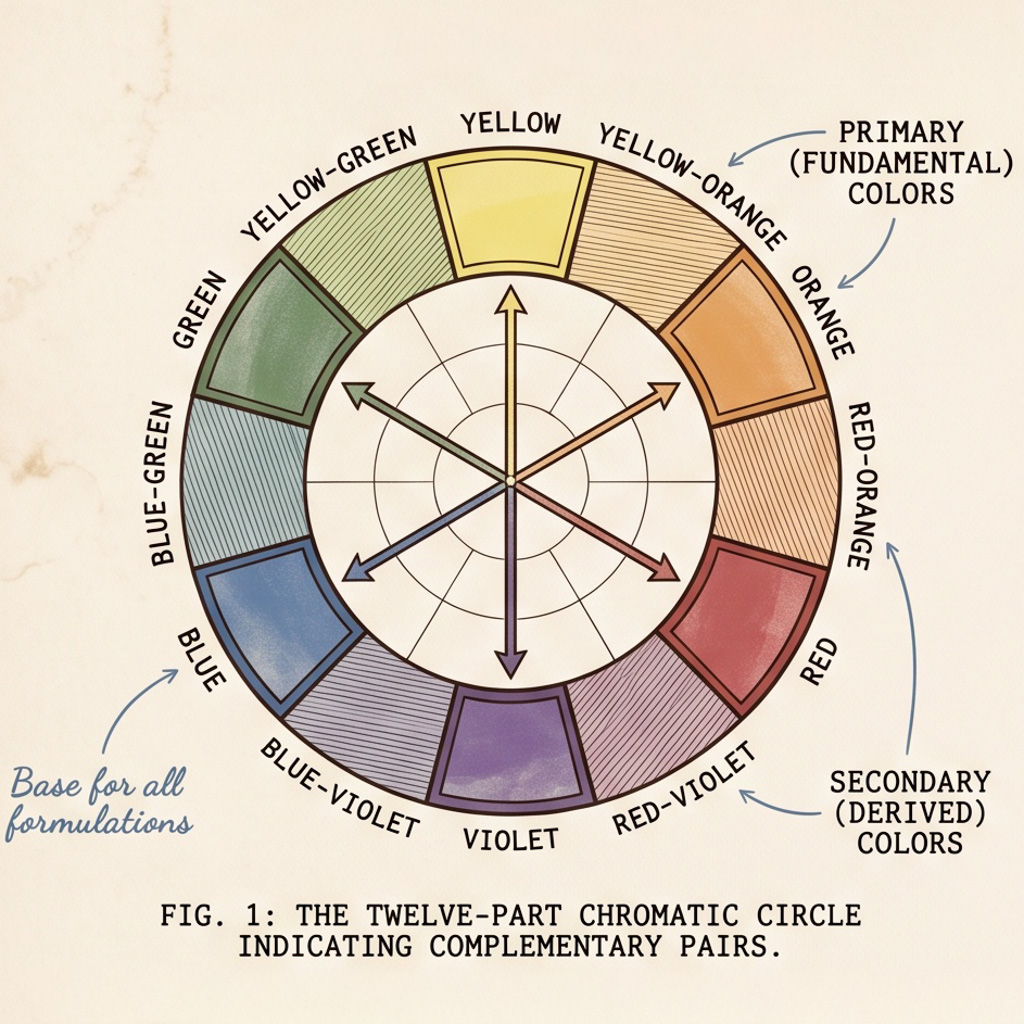
The color wheel
Warm vs. cool ✓
Complementary pairs 15 min
▶ Play: Match the complements
How it works
Assign. Study. Practice. Logged.
The whole apprenticeship runs in one loop you can actually see.
01You assign the lesson.
Pick a single lesson or a whole module. You set what's next and the pace it moves, right from your phone.
02They study anywhere.
Short, plain-language lessons with practice games and exam questions, made for every style of learning: read it, hear it, play it.
03You're told when it's practical time.
When the studying is done, Rootegra tells you it's time for the hands-on lesson or test at the chair.
04The hours log writes itself.
Every hour is tracked as it happens. Rootegra produces the state-required hours log, and a morning summary tells you when hours have waited more than 3 days for your approval.
What we protect
Education that protects the stylist.
Beauty education usually stops at technique. Ours starts with the person holding the shears: their body, their income, and their head space.
Health
The chair shouldn't cost you your body.
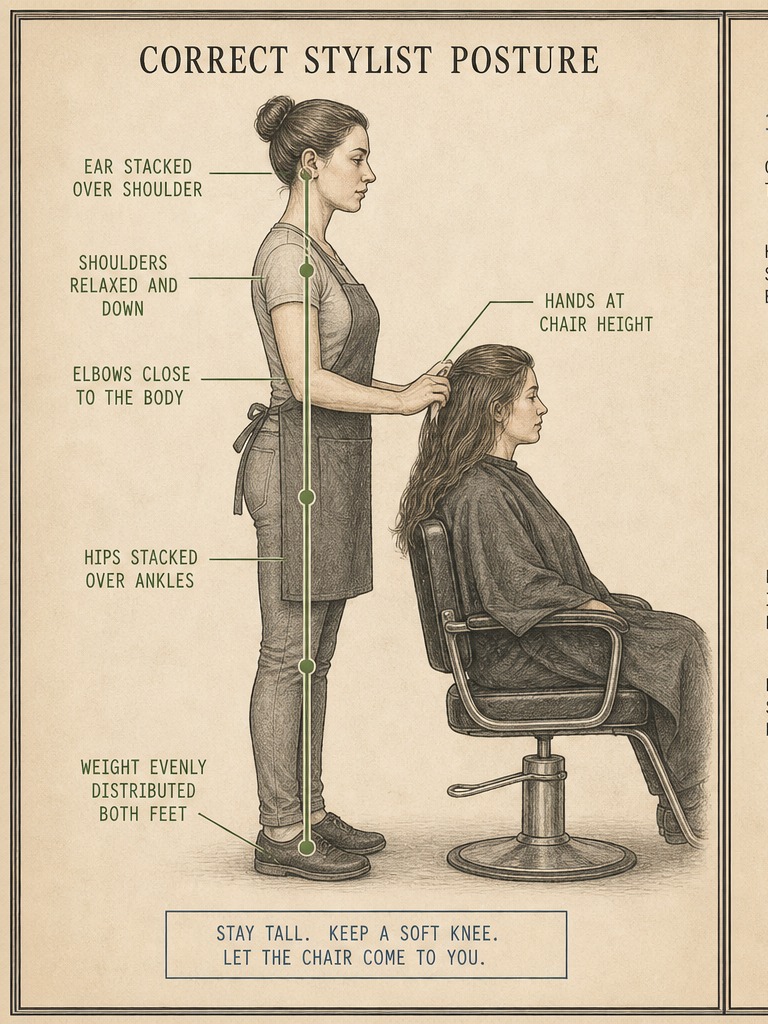
Chemical exposure, breathing, skin, and posture. Apprentices learn to protect their lungs, hands, and back from the very first module.
Wealth
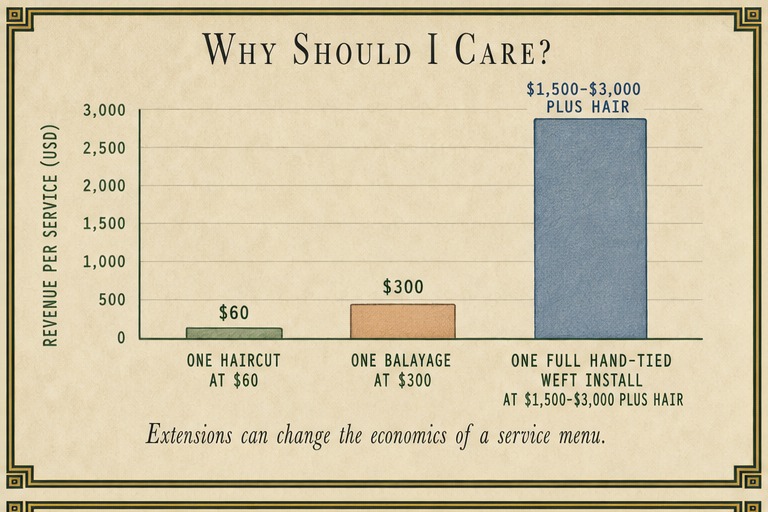
Price the work like a career, not a favor.
Pricing, money math, and business skills are inside the curriculum itself, so the license comes with a living attached.
Mind
Structure that carries the mental load.
Short lessons, a clear sequence, mnemonics, teach-back prompts, and hour tracking. Nobody has to hold the whole path in their head.
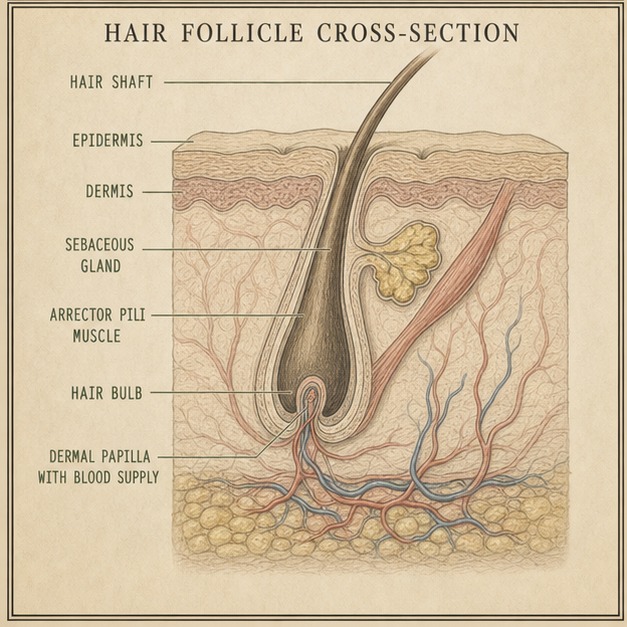
Straight from the Hair & Scalp Science module: the follicle, labeled.
Hair loss & regrowth
When a client's hair is thinning, your stylist will know what to do.
Most stylists are never taught what to say when someone's hair starts falling out. Rootegra apprentices study it directly: the science, the conversation, and the plan.
✓Tell shedding from breakage and explain the difference to a worried client, calmly.
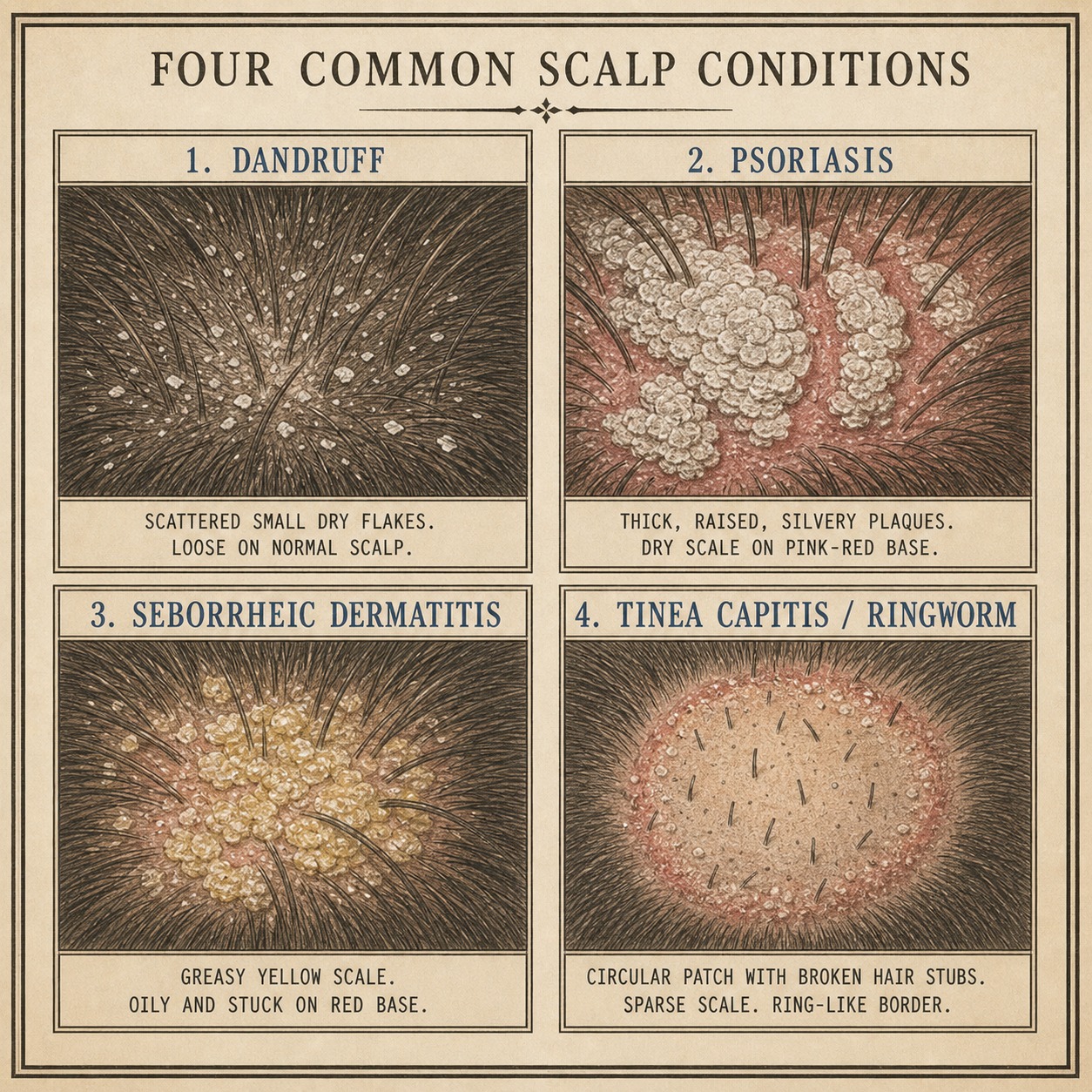
✓Recognize scalp conditions and know which ones a stylist can help, and when to refer to a doctor.
✓Build regrowth and home-care plans clients can actually follow between visits.
✓Place extensions so they protect the follicle, for comfort and longevity instead of traction damage.
The curriculum
Twenty-three modules. One apprenticeship.
Written for real apprentices in real salons, with short lessons, plain language, and practice games in every module. Pick your state:
The Hawaiʻi edition is built around the state's 2,500-hour hairdresser apprenticeship, with 147 exam-prep terms on flashcards and every lesson tagged to state requirements.
01Salon Management & Personal Hygiene+
Run a clean, organized salon from day one.
02Infection Control & Blood-Borne Pathogens+
Protect yourself and every person who sits in your chair.
03Your Body Behind the Chair+
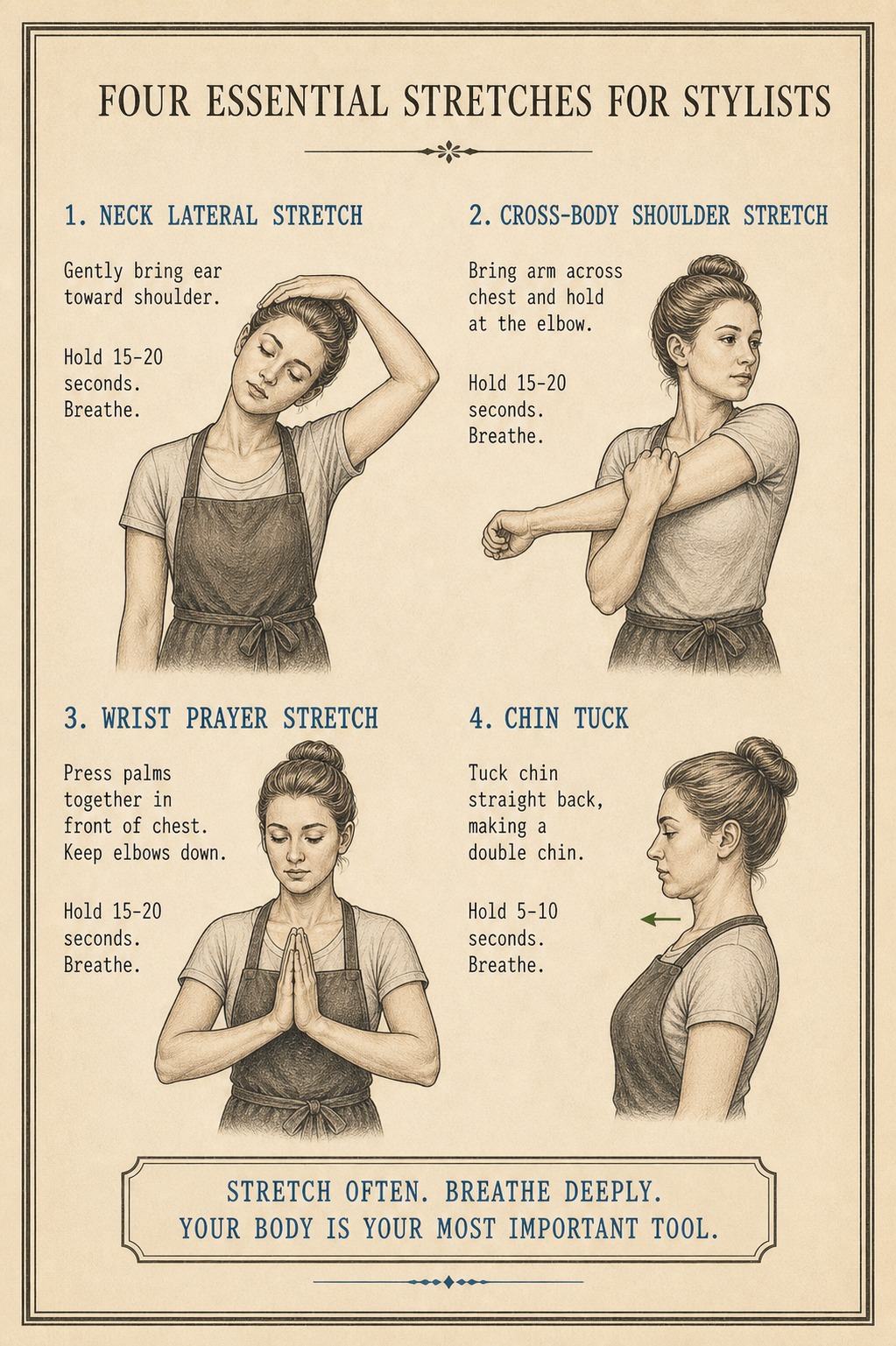
Cut and color without wrecking your back, wrists, or shoulders.
04Anatomy & Physiology+
The body systems a hairdresser's work actually touches.
05Hair & Scalp Science+
What hair is made of and why it behaves the way it does.
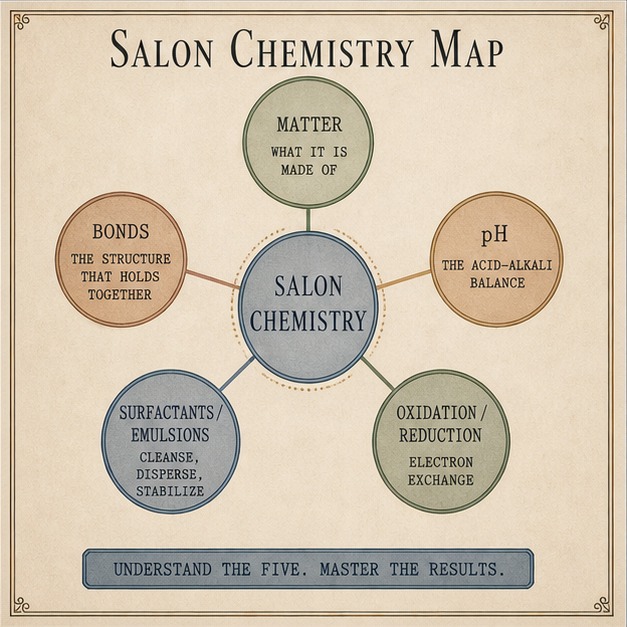
06Chemistry+
Know what's in the bowl before it touches a head.
07Color Theory+
Formulate with confidence instead of guessing.
08Cutting Theory+
Structure first, so every cut grows out well.
09Chemical Texture+
Perms and relaxers with respect for the hair underneath.
10Styling Theory+
The physics of a style that lasts past the parking lot.
11Design Principles+
Shape, proportion, and balance you can explain to a client.
12Professional Practice+
Consultations, boundaries, and conduct that builds a client book.
13Extension Mastery+
Placement that protects the follicle: comfort, longevity, zero traction damage.
14Root Cause Science+
Find why hair is struggling instead of covering it up.
15Career & Financial Literacy+
Price your work, read your numbers, build a living.
16Mental Health in the Chair+
Carry the emotional weight of the chair without burning out.
17Trichology+
The scalp science behind thinning, shedding, and regrowth.
18Skin Diseases & Disorders+
What you can work with, what to adapt, and when to refer to a doctor.
19Skin Care+
The skin basics every licensed stylist is tested on.
20Nail Care+
Nail anatomy, safety, and state-board essentials.
21Hair Removal+
Waxing and removal, done safely and by the book.
22Lash & Brow+
Lash and brow services with the same health-first lens.
23Exam Prep+
Flashcards and practice tests for the state written exam.
Every module ends in practice games, 500+ across the curriculum, plus mnemonics and teach-back prompts, built for brains that glaze over at walls of text. Like this one:
Exam prep · tap to flip
What's the name for hair's active growth phase?
Answer
Anagen: most of the hair on your head is in it right now.
Anatomy and biology first, technique second.
The 1936 foundation
It started with a 1936 textbook.
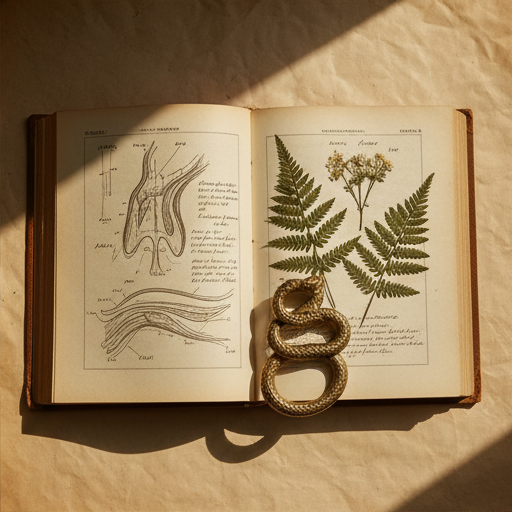
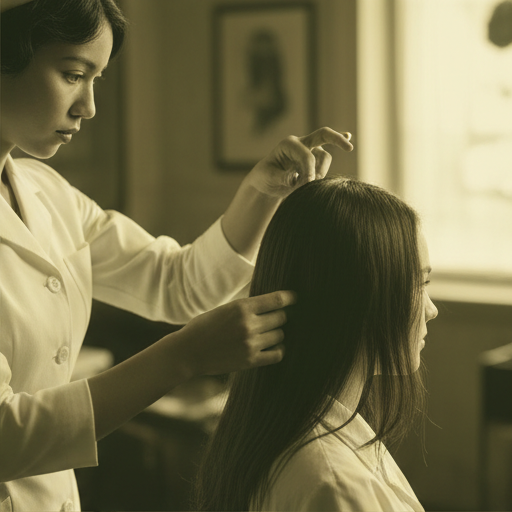
These lessons are modeled on Theory of Cosmetology, a textbook from 1936. Students in that era studied nutrition, anatomy, and scalp diagnostics before they ever picked up shears. They learned to read a scalp like a map of a person's health.
Modern beauty education kept the technique and dropped the science. We brought the science back: every module follows that root-cause approach, rewritten to today's products, safety standards, and state requirements. Root Cause Science is a module of its own, and its first lesson is called "The 1936 Approach."
Straight from the curriculum
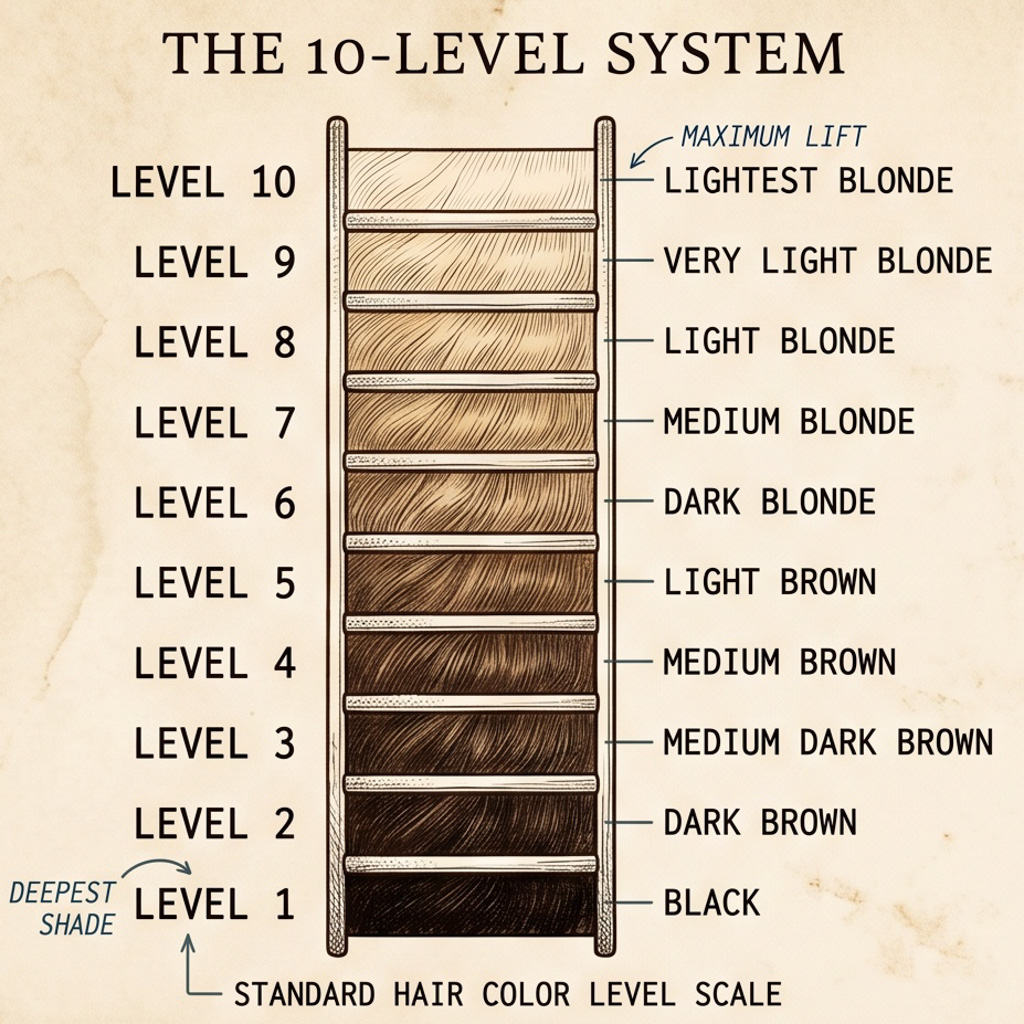
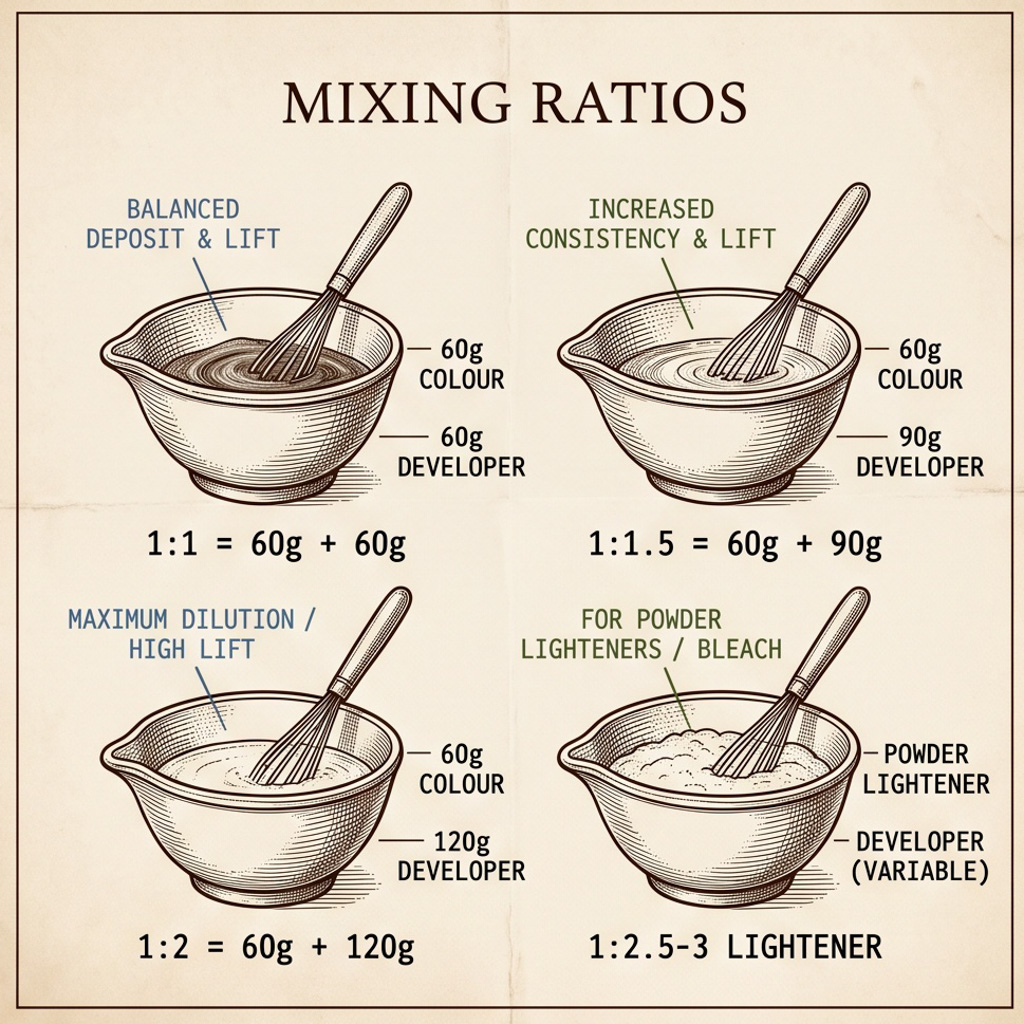
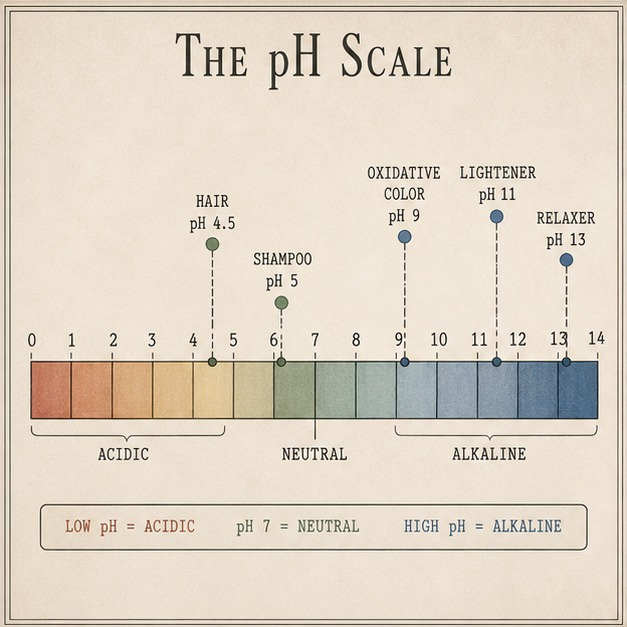
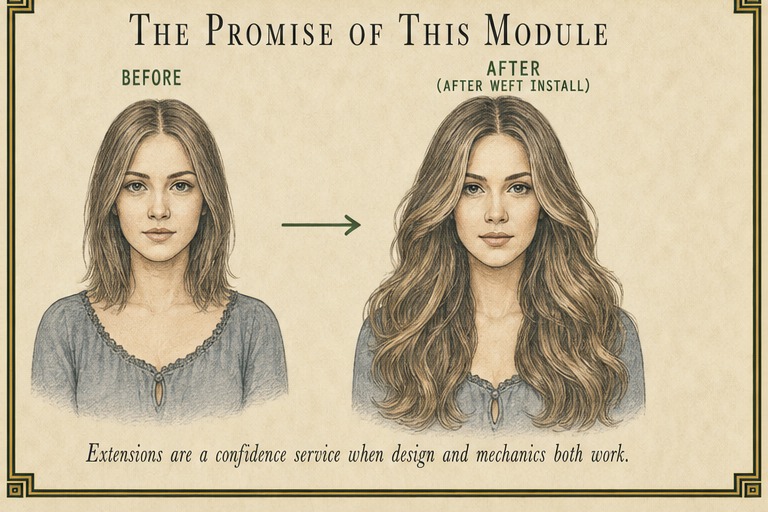
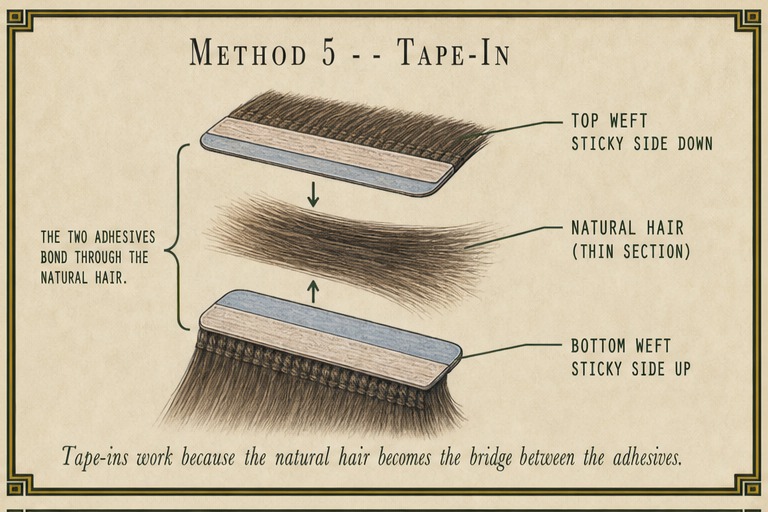
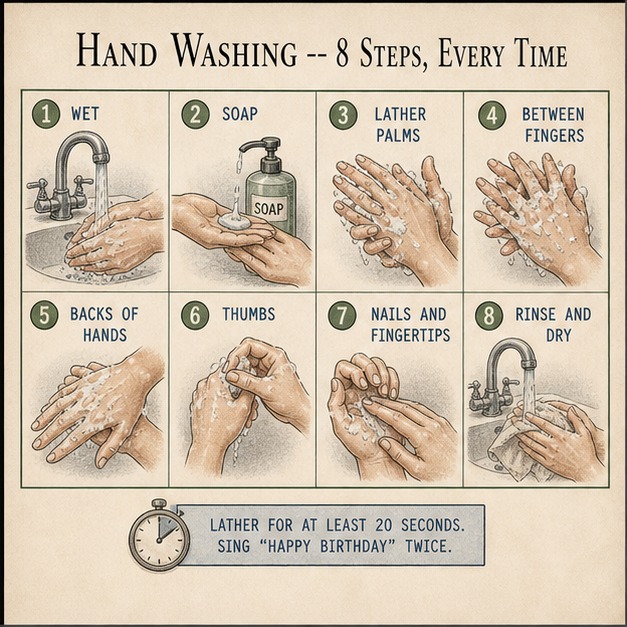
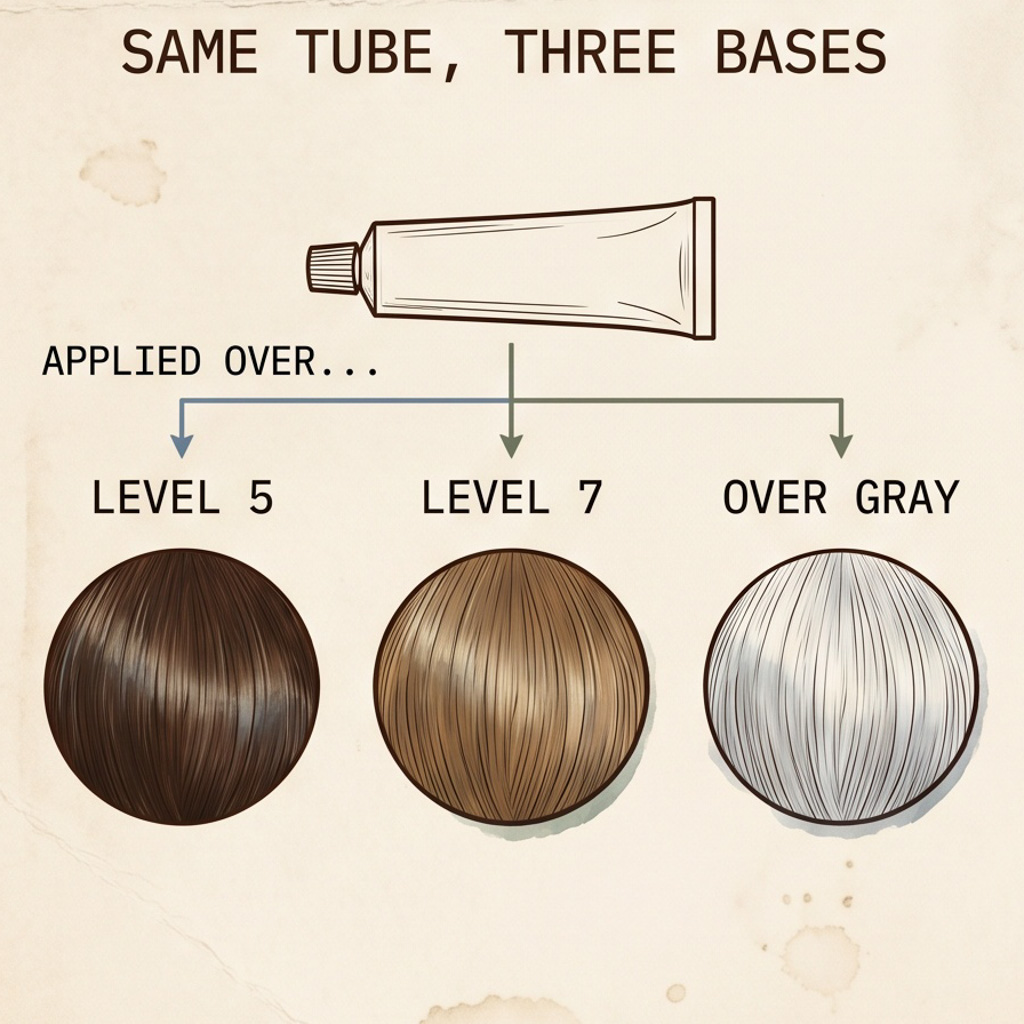
The color wheelLevels 1 to 10Bowl mathThe pH scaleBefore & afterThe tape-in sandwichScalp conditionsHandwashing, done rightReading swatchesStretches for stylists
How we're different
Not another booking app.
Paper logs lose hours.
Most apprenticeships run on binders and memory. Rootegra records the hours as they happen and produces the exact log the state wants, with a morning summary whenever something is waiting on you.
Online courses teach theory.
Rootegra pairs the theory with a real chair: hour tracking, mentor oversight, and progress a salon owner can see. The studying happens anywhere; the craft happens in the salon.
Most education ignores the stylist's body.
Ours opens with it. Infection control, chemical safety, and posture come before a single cut. A career only lasts if the stylist does.
Why it's called Rootegra
Root integrity.
The name is "root" and "integrity," joined. It stands for the health of hair at the root, and the health of the stylist at the root of the career. Everything in the curriculum keeps both at the forefront. Healthy roots. Healthy careers.
What's next
The Academy ships first. Your whole salon follows.
Training the next stylist is the part that can't wait, so the curriculum leads the way. The rest of the platform is already running in our home salon, and it opens up next.
Available now
The Academy
The whole apprenticeship: assign, study, practice, and the hours log that writes itself.
The front desk: calendar, online booking, checkout, clients, team, and finances that add themselves up.
On the way
Coming soon
Rootegra Care
Booking, payments, visit history, and home-care plans for the people in your chair.
On the way
One account will carry every hat: stylist, apprentice, salon, client
Where it comes from
Built inside a working salon.
Rootegra wasn't drawn up in an office. It was built chair-side in a working Hawaiʻi salon, by a licensed stylist who mentors apprentices, and the family building the software right next to her.
Every feature exists because the salon needed it that week: the checkout math, the hour log, the lesson an apprentice studied that night. If it doesn't survive a busy Saturday, it doesn't ship.